New Patient Special for only $39

Goodlife Physical Medicine Goodlife Physical Medicine

Moving Beyond "Medicine" and "Management" toward a

Interventional Pain Mitigation

Interventional Pain Mitigation

Rethinking the Role of "Pain Medicine" a.k.a. "Pain Management"

While the medical community officially labels this specialty as Pain Medicine and many patients know it as Pain "Management," both terms fail to capture the objective of our practice. At Goodlife Physical Medicine, we believe that "managing" pain implies a lifelong sentence of coping with symptoms rather than resolving them. Furthermore, traditional "Pain Management" has historically relied on endless, temporizing injections along with the heavy use of chronic opioid therapy—a path we explicitly reject in favor of restorative, interventional solutions.

We view this specialty as Interventional Pain Mitigation. To mitigate is to lessen or alleviate the intensity or force of an obstacle; in our model, this means systematically reducing the neurological and inflammatory signals perpetuating a pain cycle that interferes with your body's ability to heal. Our focus is on utilizing advanced medical procedures to neutralize the biological barriers to your recovery, clearing the path for a permanent CURE.

The Goodlife Approach: Quieting the System to Enable Structural Change

Our medical team utilizes the advanced tools of the Pain Medicine specialty to target likely pain generators identified through your physical examination and diagnostic imaging. These interventions serve to "quiet" the neurological and inflammatory signals coming from these specific areas.

The primary goal of these interventional treatments is to strategically quiet the inflammatory signals caused by underlying mechanical issues. While the biological effect of the injection is temporary, it serves as a critical means to an end: by calming these signals, we can decrease or block the persistent "guarding" response. Guarding is a defensive, involuntary muscle tightening your body uses to protect itself from perceived damage. It is this very response that often causes traditional conservative treatments to fail; when your muscles are locked in a protective state, they physically resist the corrective work of the Chiropractor or Physical Therapist. By utilizing a precision intervention to stabilize the inflammatory environment and release this guarding, we create a vital window of opportunity for our structural treatments to finally address the root mechanical causes effectively.

This integrated sequence is the key to a permanent CURE. Once the body finally allows corrective work to proceed, we can eliminate the mechanical forces that caused the derangement and pain in the first place. This is why our multidisciplinary model achieves results where previous, isolated treatments have failed.
Interventional Pain Mitigation procedures
The Scientific Failure of Chronic Opioid Therapy

The Scientific Failure of Chronic Opioid Therapy

A foundational principle of our practice is the rejection of chronic opioid therapy. Our mission is to restore your health, and the clinical evidence proves that chronic opioids eventually become a primary biological barrier to recovery.

Based on the physiology of the human nervous system, chronic opioid use is self-defeating for several critical reasons:
  • Induced Imbalance: Your body naturally produces "endorphins" (endogenous opioids) to regulate discomfort. When you introduce "exogenous" (prescription) opioids, your body responds by decreasing its own natural production.
  • The Receptor Trap: To cope with the flood of prescription medication, your body actually creates new receptors. This means that over time, you require higher and higher doses just to achieve the same effect—a process known as tolerance.
  • Interdose Withdrawal: As the medication wears off between doses, these excess, empty receptors send intense pain signals to the brain. This creates a state of dependence where the patient is actually experiencing the neurological symptoms of withdrawal rather than original injury pain.
  • The Creation of New Pain: Ultimately, chronic opioid therapy creates a biological environment where even someone who had no original injury would begin to experience chronic pain from the chemical and receptor imbalance alone.

Right for You?

Precision Interventional Pain Resolution is a vital component of your multidisciplinary plan if you experience:

  • Chronic pain that has been "managed" for years without ever being resolved.
  • The desire to transition away from chronic opioid therapy and toward a permanent solution.
  • Structural issues (like herniated discs or stenosis) where persistent "guarding" has prevented successful rehabilitation.
  • Complex pain that requires diagnostic targeting to identify the primary drivers of your symptoms.

Potential Benefits

  • Informed Diagnostic Targeting: Uses imaging and exams to target likely pain generators and verify the sources of dysfunction.
  • Neutralizes the Guarding Response: Releases the involuntary muscle firing that blocks mechanical and structural recovery.
  • Restoration of Natural Physiology: Stops the cycle of tolerance and dependence associated with traditional pain "management."
  • Synergistic Healing: Provides the necessary physiological window for Chiropractic and Physical Therapy to achieve a permanent cure.
Book a free consultation

Procedures We Use

The specific interventional procedures our medical team uses to quiet pain generators and create a window for structural recovery.

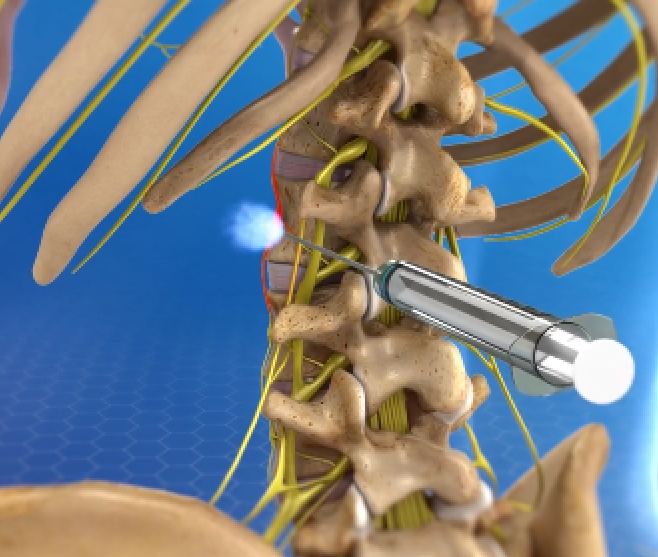
Interlaminar & Caudal Lumbar Epidurals

Broad-spectrum anti-inflammatory delivery across multiple spinal levels via the interlaminar space or sacral hiatus. Effective for cervical, thoracic, and lumbar levels under fluoroscopic guidance.

Read more
Sacroiliac (SI) Joint Injections

Targeted delivery into the joint capsule under fluoroscopic guidance to restore pelvic stability and resolve the cascade of compensatory pain caused by SI inflammation.

Read more
Tendon & Ligament Injections

Image-guided delivery of regenerative or anti-inflammatory agents (including PRP) into the body's "biological cables" to restore joint stability and tension.

Read more
Plantar Fascia Injections

Ultrasound-guided delivery into the inflamed plantar fascia to break the "first-step" pain cycle and stabilize the foundation of the kinetic chain.

Read more
Botox® / Xeomin® for Cervical Dystonia

Targeted neuromodulator therapy for involuntary neck muscle contractions causing torticollis, abnormal head positioning, and chronic neck pain.

Read more
Botox® / Xeomin® for Craniocervical & Oromandibular Dystonia

Targeted relaxation of the masseter and pterygoid muscles to resolve TMJ-style pain, bruxism, and the jaw-driven anchor for upper cervical dysfunction.

Read more
Stellate Ganglion Block (SGB)

Image-guided block of the sympathetic nerve cluster in the neck to reset the "fight or flight" response and treat CRPS, refractory upper-extremity pain, and certain headaches.

Read more
Kyphoplasty

Image-guided procedure for vertebral compression fractures: a balloon restores collapsed vertebral height, then medical cement stabilizes the bone from the inside out.

Read more
Stem Cells & Exosomes

Section 361–compliant regenerative bio-signaling using allograft-derived exosomes — the "younger," more potent messenger pods that direct cellular repair.

Read more

Procedure Detail

Interlaminar Epidural Injections

Interlaminar Epidural Injections: Broad-Spectrum Relief for Multilevel Recovery

While a Transforaminal injection (TFESI) is a "precision strike" on a specific nerve root, an Interlaminar Epidural Injection is a broad-spectrum approach designed to deliver anti-inflammatory medication and anesthetic across a larger area of the spinal canal. By entering through the "interlaminar" space—the natural opening between the vertebrae—we can bathe multiple levels of the spine in a single procedure.

At Goodlife Physical Medicine, we utilize this versatile procedure to address spinal issues at every level of the back and neck:
  • Cervical Interlaminar Epidural: To address radiating pain and inflammation in the neck, shoulders, and arms.
  • Thoracic Interlaminar Epidural: To target pain and nerve irritation in the mid-back and rib cage area.
  • Lumbar Interlaminar Epidural: To treat generalized lower back pain and symptoms radiating into the legs.
All interlaminar injections are performed under real-time fluoroscopic (X-ray) guidance to ensure the medication is distributed evenly throughout the epidural space, targeting the chemical inflammation that drives chronic pain.

Caudal Lumbar Epidural Injections. A specialized version of the interlaminar approach is the Caudal Lumbar Epidural. Instead of entering between the vertebrae, the injection is performed through the sacral hiatus—a natural opening at the base of the spine near the tailbone. This approach is particularly effective for:
  • Generalized Lower Back Pain: When symptoms affect a broad area or both legs.
  • Post-Surgical Scarring: Bypassing scar tissue from previous surgeries that might obstruct other injection routes.
  • Low-Level Disc Issues: Reaching the very bottom of the spinal canal to address inflammation that is difficult to access via traditional routes.

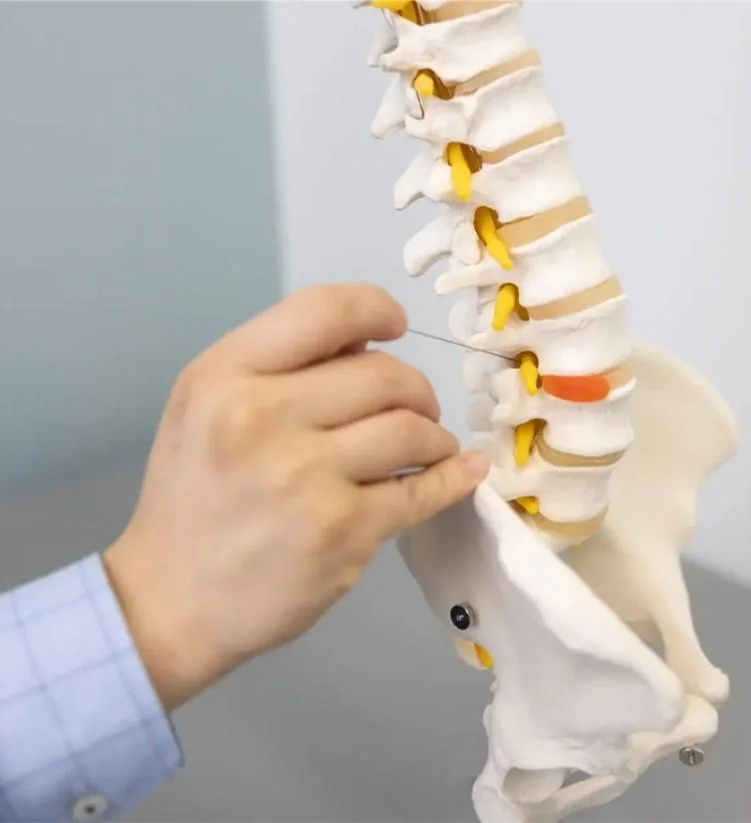
Sacroiliac (SI) Joint Injections: Restoring Pelvic Stability for Lasting Mobility

The sacroiliac joints are the critical links between your lower spine (sacrum) and your pelvis (iliac bones). These joints act as the primary shock absorbers for your upper body, transferring weight and force to your legs. When these joints become inflamed due to injury, pregnancy, or degenerative changes, they can cause debilitating pain in the lower back, buttocks, and even radiating down the leg—often mimicking the symptoms of a herniated disc or sciatica.

An SI Joint Injection is a targeted clinical procedure used to deliver a concentrated dose of anti-inflammatory medication and anesthetic directly into the joint capsule. At Goodlife Physical Medicine, we perform these injections using fluoroscopic (X-ray) guidance to ensure the medication is delivered with sub-millimeter precision into the narrow joint space, providing the most effective relief possible.

We recognize that the SI joint does not work in isolation; it is a central hub in your body's kinetic chain. When one SI joint is inflamed, your gait changes, your hips tilt, and your lower back compensates, leading to a cascade of structural issues. By quieting the acute inflammation, we create a vital window of mechanical opportunity for our Chiropractors and Physical Therapists.
Sacroiliac Joint Injections
Tendon and Ligament Injections

Tendon & Ligament Injections: Restoring the Biological Support System

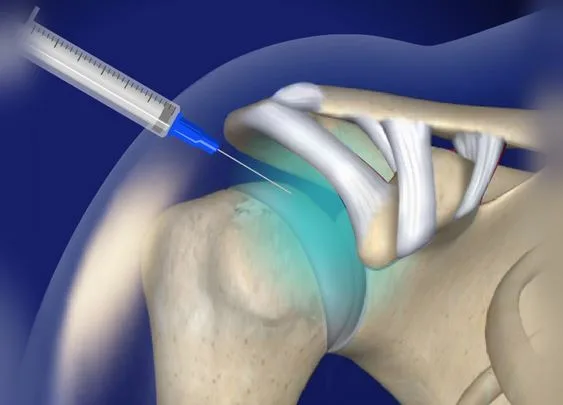
Tendons and ligaments are the "biological cables" of your body. Tendons connect muscle to bone to facilitate movement, while ligaments connect bone to bone to provide stability. When these tissues become overstretched, partially torn, or chronically inflamed, they lose their tension. This leads to joint instability, which forces your muscles to overwork and causes your joints to wear down prematurely.

A Tendon or Ligament Injection is a targeted clinical procedure used to deliver regenerative or anti-inflammatory agents—such as Platelet-Rich Plasma (PRP), or localized anti-inflammatories—directly into the site of injury. We utilize Imaging Guidance to target the damaged tissue in real-time. This ensures that the treatment is delivered with sub-millimeter precision into the exact site of the tear or inflammation, maximizing the healing response.

Useful for chronic sprains/strains, overuse injuries (Tennis Elbow, Golfer's Elbow), rotator cuff tears, Plantar Fasciitis, Achilles tendon pain, ligament laxity, and Jumper's Knee.

Plantar Fascia Injection: Stabilizing the Foundation of Your Kinetic Chain

The plantar fascia is a thick, fibrous band of tissue that runs along the bottom of your foot, connecting your heel bone to your toes and supporting the arch of your foot. When this tissue becomes chronically inflamed or develops micro-tears—a condition known as Plantar Fasciitis—it can cause sharp, stabbing pain, particularly with your first steps in the morning.

A Plantar Fascia Injection is a targeted procedure used to deliver a concentrated dose of anti-inflammatory medication or regenerative agents directly into the site of the greatest tension and inflammation. We perform these injections using Ultrasound Guidance, allowing us to visualize the thickness of the fascia in real-time and ensure the medication is delivered with sub-millimeter precision, avoiding the fat pad of the heel and targeting the exact source of your pain.

We recognize that your feet are the foundation of your entire skeletal system. When you have plantar fascia pain, your gait changes—you begin to "offload" the pain by walking differently, which creates a negative "domino effect" up the kinetic chain, leading to misalignments in your ankles, knees, hips, and even your lower back.

Plantar Fascia Injection
Botox for Cervical Dystonia

Botulinum Toxin Therapy for Cervical (Neck) Dystonia

Cervical Dystonia is a neurological condition characterized by involuntary muscle contractions in the neck, causing the head to twist or turn into painful, abnormal positions. When these spasms do not improve with conservative therapies alone, Botulinum Toxin Therapy offers a targeted, minimally invasive clinical intervention.

While Botox® is the most widely recognized name in this class of medication, there are currently four FDA-approved botulinum toxin treatments available. At Goodlife Physical Medicine, we primarily utilize Xeomin® (incobotulinumtoxinA). Xeomin provides the same therapeutic results as Botox but is engineered through a high-precision purification process that removes "accessory proteins." By delivering only the pure therapeutic component, Xeomin reduces the risk of your body developing antibodies, which can sometimes cause other brands to become less effective over time.

By using Xeomin to precisely "quiet" the overactive muscles, we create a critical window of physiological opportunity. With the spasms deactivated, our Chiropractors can more effectively address the underlying structural misalignments, and our Physical Therapists can work on retraining the muscle groups to maintain a neutral, healthy posture.

Botulinum Toxin Therapy for Craniocervical & Oromandibular Dystonia

Oromandibular Dystonia is a neurological condition characterized by forceful, involuntary contractions of the face, jaw, and tongue. For many patients, this manifests as chronic TMJ-style pain, jaw clenching (bruxism), or a restricted "locked" feeling when trying to open the mouth. Because the muscles of the jaw are intimately connected to the alignment of the upper neck, these issues often occur simultaneously—a condition known as Cranio-Cervical Dystonia.

We utilize Botulinum Toxin Therapy to precisely target the primary culprits of jaw dysfunction: the masseter and pterygoid muscles. While names like Botox® are well-known, we frequently utilize Xeomin® for these sensitive areas. Xeomin® is a "naked" or pure neurotoxin, meaning it contains only the therapeutic component without the unnecessary accessory proteins. This minimizes the risk of developing antibodies, ensuring that your treatment remains effective over the long term.

By injecting the masseter and pterygoid muscles, we "reset" the tension in the Temporomandibular Joint (TMJ). This pharmacological release acts as a strategic bridge: it quiets the neurological noise in the jaw, allowing our Chiropractors to correct the upper cervical spine more effectively and enabling our Physical Therapists to retrain your bite and neck posture without interference.
Botox for Craniocervical Dystonia
Stellate Ganglion Block

Stellate Ganglion Block (SGB): Calming the Autonomic Nervous System for Systemic Healing

The Stellate Ganglion is a collection of nerves located in the neck that serves as a major relay station for the sympathetic nervous system—the part of your body responsible for the "fight or flight" response. A Stellate Ganglion Block involves injecting a local anesthetic into this nerve cluster to temporarily "mute" overactive sympathetic signaling.

By delivering this block under Ultrasound or Fluoroscopic guidance, we can effectively reset the autonomic nervous system. This procedure is commonly used to treat chronic pain conditions in the upper extremities (arms and hands), certain types of headaches, and "sympathetically maintained" pain where the body's pain receptors have become stuck in a state of high-arousal.

Useful for Complex Regional Pain Syndrome (CRPS/RSD) affecting the arms or hands, chronic "burning" pain and skin temperature changes in the upper extremities, refractory migraines, certain types of facial pain (Trigeminal Neuralgia), hyperhidrosis, and post-herpetic neuralgia.

Kyphoplasty: Restoring Spinal Height and Structural Stability

Kyphoplasty is a minimally invasive, image-guided clinical procedure used to treat Vertebral Compression Fractures (VCFs)—painful "crush" injuries of the spinal vertebrae typically caused by osteoporosis, trauma, or certain medical conditions. When a vertebra collapses, it not only causes debilitating pain but also leads to a loss of spinal height and a forward-leaning posture known as kyphosis.

During the procedure, a small balloon is inserted into the collapsed vertebra and gently inflated to create a cavity and restore the bone's original height. This space is then filled with a specialized medical-grade cement (PMMA) that hardens quickly, essentially "casting" the bone from the inside out. This stabilizes the fracture, prevents further collapse, and provides rapid pain relief.

By utilizing Kyphoplasty to immediately stabilize the structural failure, we "stop the clock" on further spinal degeneration. This procedure acts as a critical reset, allowing our Chiropractors and Physical Therapists to step in and address the postural compensations and muscular weaknesses that developed during the period of injury.
Kyphoplasty
Stem Cells and Exosomes

Stem Cells & Exosomes: Activating the Future of Regenerative Bio-Signaling

Stem cells are the body's "master cells," capable of transforming into various types of tissue to facilitate repair. However, the most cutting-edge science reveals that stem cells don't just "turn into" new tissue; they act as the managers of the healing process. They communicate by releasing Exosomes—tiny, specialized "messenger pods" filled with growth factors, proteins, and genetic instructions.

If stem cells are the workers, exosomes are the blueprints and instructions. We utilize these powerful bio-signals to jumpstart the repair of damaged joints, tendons, and ligaments that have lost the ability to heal on their own.

The FDA Context & Section 361 Compliance. At Goodlife, we adhere to Section 361 of the Public Health Service (PHS) Act, which governs human cells, tissues, and cellular and tissue-based products (HCT/Ps). Under these guidelines, our treatments are focused on minimal manipulation and homologous use—meaning we use these biological materials to perform the same antiinflammatory and regenerative functions in your body that they were designed for by nature. We prioritize products processed in FDA-licensed and regulated laboratories to ensure the highest standards of safety, purity, and clinical potency.

Why Allografts? Moving Beyond Autologous Limitations. While some clinics offer "autologous" options— harvesting stem cells from your own bone marrow (BMAC) or fat (adipose)—at Goodlife, we believe in a more robust and less traumatic approach.
  • Eliminating Secondary Trauma: Autologous harvesting requires a secondary surgical procedure (like drilling into the hip bone or liposuction), which creates unnecessary pain and inflammation.
  • The "Age" Factor: Your own stem cells are as old as you are. As we age, our internal repair signals become "quieter" and less effective.
  • The Allograft Advantage: We utilize allograft-derived exosomes harvested from screened, healthy donors. These are "younger," more robust, and contain a higher density of regenerative signals.

Our Position on Two Common Questions

Steroids: Good or Bad? — Neutralizing the Barriers to Functional Recovery

The "Cortisone" Legacy. When people speak of getting a "Cortisone injection," they are using a colloquial term that dates back decades. While Cortisone was the specific steroid used when these procedures were first pioneered, modern Interventional Pain Mitigation utilizes much more advanced, potent, and longer-lasting synthetic corticosteroids. Regardless of the specific name, the goal remains the same: to deliver a powerful anti-inflammatory agent directly to the site of chronic dysfunction.

Putting Out the Fire: Why Steroids Are Effective. In the context of chronic pain, inflammation is like a wildfire. If the fire is allowed to burn unchecked, it causes "biological noise" that triggers constant muscle guarding and prevents any meaningful structural rehabilitation. We use steroids strategically because they are the most proven, widely studied, and effective tools for "putting out the fire."
  • Clinical Evidence: Decades of peer-reviewed studies demonstrate that corticosteroids effectively reduce the chemical markers of inflammation and provide a significant window of pain relief.
  • Insurance Standards: Because of this massive body of evidence, steroid injections are the gold standard for insurance coverage. They are recognized by carriers as a primary, medically necessary step in the treatment of chronic spinal and joint conditions.
The Damage Debate: Overuse vs. Untreated Inflammation. A common concern among patients is that steroids "damage the tissues." While it is true that the excessive, repeated overuse of steroids in the same location can lead to tissue weakening, this risk must be weighed against a much greater danger: Chronic, Untreated Inflammation. Persistent inflammation is not a neutral state; it is a destructive biological process. Left alone, chronic inflammation acts like a slow-moving acid, degrading cartilage, scarring nerves, and causing permanent structural derangement. In our model, a precisely placed steroid injection is used to stop this destructive cycle.

The Intermediary Role: A Window for Rebuilding. It is important to understand that a steroid injection is not the "CURE" itself—it is the Interventional Pain Mitigation step that makes the cure possible. By temporarily removing the inflammatory barrier, we create a physiological window where rebuilding can finally take place. Once the "fire" is out, the structural work of our Chiropractors and the functional retraining of our Physical Therapists can proceed without being blocked by guarding and pain.

The Future: Steroids vs. Emerging Alternatives. We stay at the forefront of regenerative science. We are closely monitoring and utilizing emerging alternatives to steroids, such as PRP (Platelet-Rich Plasma) and Stem Cell Exosomes. These materials are here now and may be the future of interventional medicine, offering the potential to not only quiet inflammation but to actively stimulate tissue repair. However, because they are newer, they currently lack the decades of large-scale clinical trials required to force insurance companies to provide universal coverage. While we offer these advanced options for those seeking the latest in regenerative care, steroids remain a foundational, insurance-accessible tool that allows us to begin the journey toward a CURE for every patient.

Our Position on Opioid Therapy — From Chemical Masking to Physiological Restoration

The Role of Opioids in Acute Care. At Goodlife Physical Medicine, we recognize that opioid medications are powerful tools for the treatment of acute pain. When used briefly and temporarily—such as immediately following a major surgery or a severe traumatic injury—opioids can serve as a vital "blunt instrument" to manage extreme distress during the initial healing phase. In these specific, short-term instances, the benefits of pain control can outweigh the risks of the medication.

The Failure of Chronic Opioid Therapy. While effective for a crisis, opioids were never biologically suited for long-term use. Our mission is to move every patient toward a permanent CURE, and the scientific evidence is clear: chronic opioid therapy is often the primary barrier to that cure. In a multidisciplinary model, we do not provide or maintain long-term opioid prescriptions. We believe that "managing" a patient on these medications often leads to a cycle of chemical dependence that masks the underlying structural problem and eventually creates a new, more complex pain of its own.

The Physiology of the "Opioid Trap."
  • Natural Balance (Endogenous Opioids): Your body naturally produces its own pain-relievers, called endorphins. These fill your pain receptors to help you regulate daily discomfort.
  • The Exogenous Shutdown: When you take prescription (exogenous) opioids for a long period, your body senses the flood of chemicals and stops producing its own natural endorphins.
  • The Receptor Trap (Tolerance): To handle the high volume of medication, your brain actually grows new pain receptors. This means that over time, your original dose is no longer enough to fill the increased number of receptors. You require more medication just to feel "normal"—this is known as tolerance.
  • Interdose Withdrawal: As a dose wears off, these extra, empty receptors send intense "pain" signals to the brain. This is not necessarily pain from your original injury; it is the physical sensation of your receptors being empty. This creates a state of chronic imbalance where the medication itself is now driving the experience of pain.
Breaking the Cycle to Achieve a CURE. Our goal is to help you regain control of your own physiology. If you are currently utilizing chronic opioids, our team works to provide the Interventional Pain procedures, Chiropractic corrections, and Physical Therapy needed to stabilize your condition so that you can safely transition away from chemical maintenance. By restoring your body's structural integrity and "quieting" the overactive pain signals through non-opioid interventions, we allow your natural endorphin system to reboot. We aren't just taking away a pill; we are giving you back your body's natural ability to heal and regulate itself.

Our Commitment to Your Recovery from Chronic Pain.
  • Non-Opioid Interventions: We utilize precision-guided injections and regenerative medicine to target the source of pain without the systemic risks of narcotics.
  • Multidisciplinary Support: We coordinate care across medical, structural, and functional disciplines to ensure your transition off opioids is supported by real physical improvement.
  • Education-First Model: We believe that an informed patient is a successful patient. We will always be transparent about why we prioritize structural restoration over chemical masking.

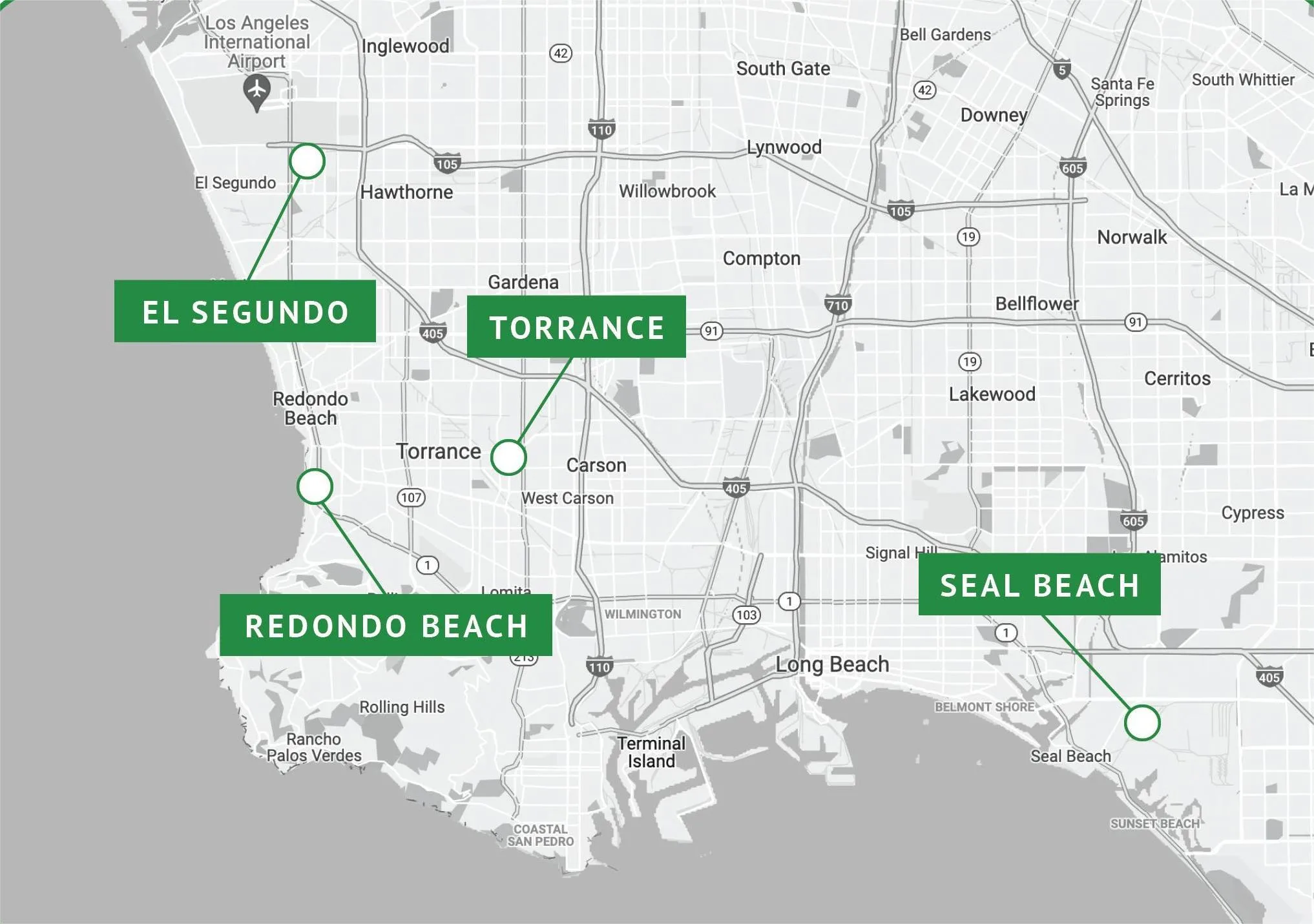
4 Locations: Serving the South Bay of Los Angeles

BOOK AN APPOINTMENT
FREE Consultations

Your information is kept strictly confidential and used only to coordinate your care — we never share or sell your personal or medical details.

Map

Know All Your Options
(Before Drugs or Surgery)

Our team of diverse professionals combine a holistic approach to address pain at the source.

Book a free consultation

Know your coverage
(You may be covered)

Proud providers of major insurance companies

Brand logo
Brand logo
Brand logo
Brand logo
Brand logo
Brand logo
Brand logo
Verify My Insurance

Clinical Disclaimers: Individual results may vary. Interlaminar, Caudal, SI Joint, Tendon & Ligament, Plantar Fascia, Stellate Ganglion, and Kyphoplasty procedures are performed by licensed physicians using fluoroscopic or ultrasound guidance as part of a comprehensive, multidisciplinary care plan. Botulinum toxin (Botox® / Xeomin®) therapy and Stem Cell / Exosome treatments are administered under physician supervision. While highly effective for managing symptoms and facilitating rehabilitation, these interventions are not a guaranteed "cure" on their own; success is maximized when combined with structural rehabilitation. Stem cell and exosome therapies are HCT/Ps regulated under Section 361 of the PHS Act and are not FDA-approved to treat, cure, or prevent any specific disease; the FDA has issued consumer alerts regarding the marketing of "stem cell cures." Goodlife Physical Medicine does not prescribe or manage long-term/chronic opioid therapy. The clinical necessity of any procedure is determined by a thorough evaluation, physical examination, and diagnostic imaging. Insurance coverage is subject to your carrier's assessment of medical necessity and individual plan benefits; certain procedures may be considered elective or investigational.

An unhandled error has occurred. Reload 🗙